Cover photo by William Aiken
Most of us experience fear before we ever stop to analyze it. A route feels scary or uncomfortable. Some streets invite us to walk, stop, and embrace the moment. So when people ask whether Cleveland neighborhoods are safe, there’s a question: what exactly is the truth on safety and what can these observations tell us about Cleveland?
In a recent study, Cleveland has shown more reported crimes, but that’s not the whole picture. Cleveland is doing something about it, and crime is decreasing over the long term. Since the city launched RISE (Raising Investment in Safety for Everyone) in 2023, homicides have fallen 37 percent, robberies 20 percent, and felonious assaults 21 percent, compared to the two and a half years before. Behind those numbers is a lot of work that the public doesn’t see.
The idea behind RISE is simple: police alone can’t fix crime, so the city is investing in the tools, social connections, and community efforts that make everyone feel safer.
The Risk Hiding in Plain Sight: Driving
Your drive is the most dangerous part of your day.
According to the World Health Organization,
- Approximately 1.16 million people die each year as a result of road traffic crashes.
- Road traffic injuries are the leading cause of death for children and young adults aged 5–29 years.
Cleveland residents drive less than suburban residents. Nearly a quarter of Cleveland households don’t own a car, while in the outer suburbs, that number is under 5%. Greater Cleveland RTA gives rides across the region – about 80,000 per day – and the city is building on that multi-modal transportation with Cleveland Moves, a plan launched in 2025. It’s organized around one main goal: Create a Cleveland that allows you to go to a grocery store, hospital, park, and more within a 15-minute walk, bike, or transit ride.
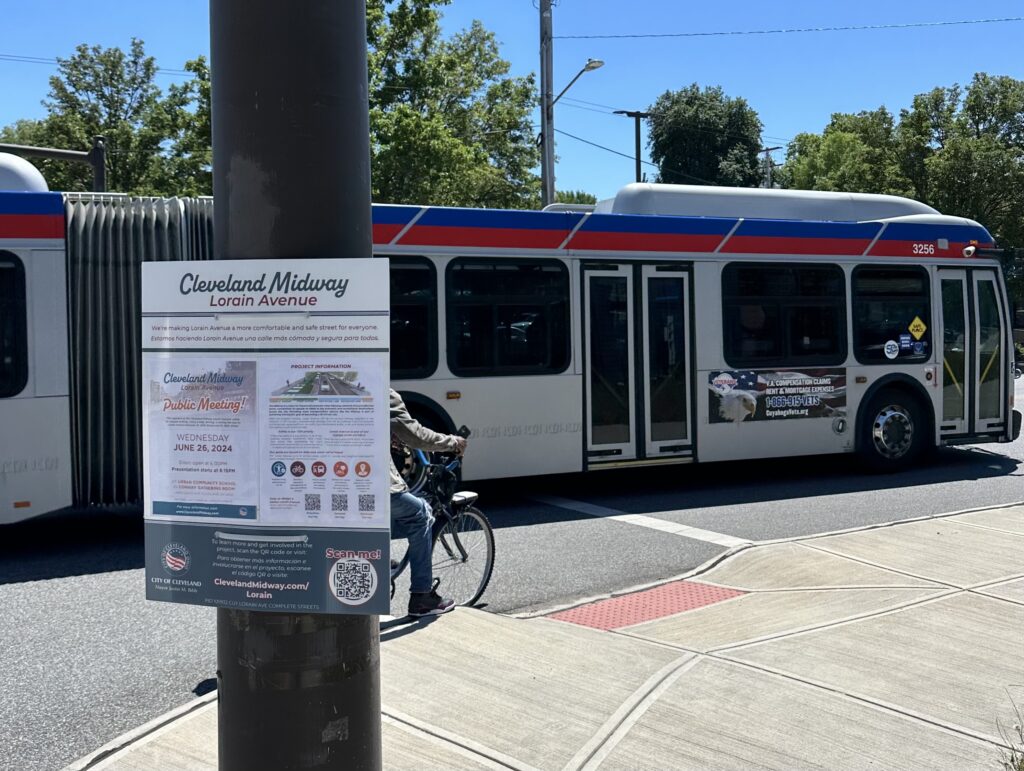
Having more options for getting around your city means you’re more active than only driving by car. That activity decreases your risk of cardiovascular disease, too. SOURCE: Journal of Functional Morphology and Kinesiology.
When we look at the bigger picture, a car may feels like a protective shell. But adding up a year of short trips on foot or by bike decreases your likelihood of traffic crashes and heart disease – increasing your safety overall.
The Importance of Knowing Your Neighbors
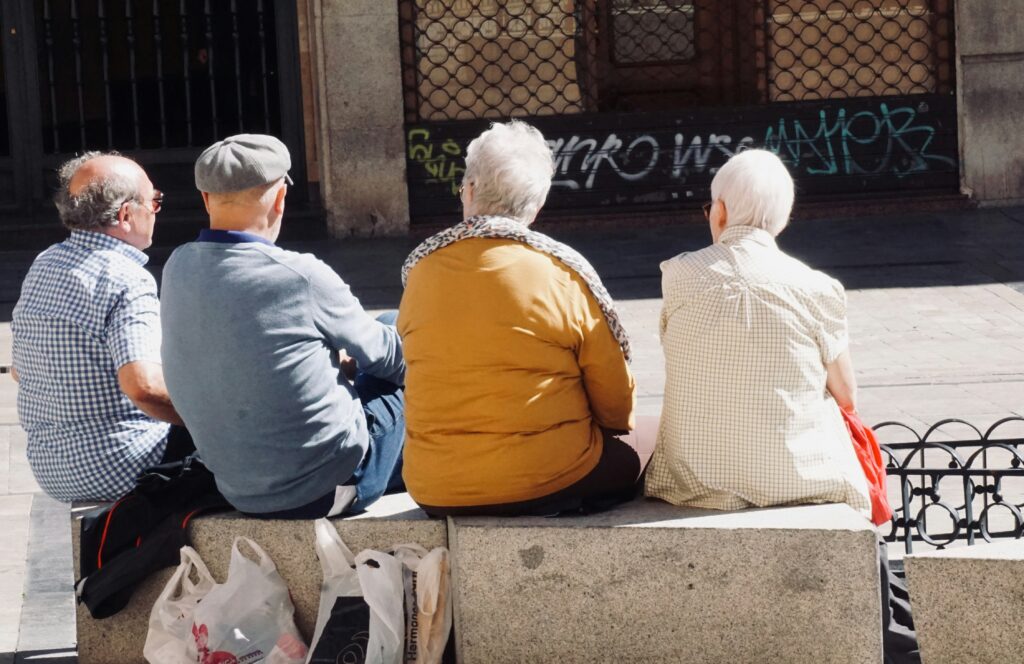
“I wasn’t sure about my safety in Kamm’s Corner, but once I bought a house here, I felt significantly safer and now greet my next-door neighbors.”
– resident of West Park for 1 year
That kind of connection is special. A study across three countries found that small gestures toward your neighbors reduced loneliness and improved well-being. Knowing at least six neighbors was enough to make a difference, and when individuals didn’t know who lived around them, they felt less safe. SOURCE: Psychology Today.
In addition, this shows why some communities fight the sources of crime, and others do not. It’s comes from small actions, such as asking strangers questions, making a kind gesture by shoveling your neighbor’s driveway, and attending community meetings. Neighborly connections are more common and organic in Cleveland neighborhoods than spread-out suburbs.
Next time you’re looking for a connection, try asking your neighbor for coffee! You’ll be making both your lives safer.
Color Brings People, and People Bring Safety: Public Art in Cleveland

Cleveland has seen an increase in public art and its safety effects in neighborhoods like St. Clair Superior and Downtown. Community members have been impressed and often watch artists create the murals from start to finish.
Downtown’s newest public art projects, an asphalt mural by artist Ryan Jaenke and a rock and roll music mural by Graffiti Heart, are part of a national trend backed by a recent study, which shows that painted streets and intersections are safer.
Some of the study’s major findings include:
- 50% drop in traffic crashes involving pedestrians or cyclists
- 37% drop in crashes leading to injuries
- 27% increase in drivers yielding to pedestrians with the right-of-way
- 25% drop in potentially dangerous conflicts between drivers and pedestrians
Safety is something you feel before you can prove it. So come down and feel it. Walk a block you’ve only ever driven past. Stand in front of a mural that someone spent hours painting. Ask the person next to you in line what’s good here. Then notice what your body tells you on the way back to the car. It might not be what you expected.
Sources
- Axios Cleveland, “Violent crime rates rise in Cleveland in early 2026” (May 2026)
- City of Cleveland, Mayor Bibb’s Raising Investment in Safety for Everyone (RISE) Initiative
- World Health Organization, “Road traffic injuries” fact sheet (July 2026)
- Spectrum News 1, “How residents without a car get around Cleveland” (February 2024)
- City of Cleveland, Cleveland Moves citywide transportation plan (2025)
- Journal of Functional Morphology and Kinesiology, Active Commuting as a Factor of Cardiovascular Disease Prevention (2024)
- Psychology Today, “The Power of Knowing Your Neighbors: From Hello to Help” (2025)
- Cleveland.com, “Downtown Cleveland reclaims street space with colorful asphalt mural” (September 2026)
- Americans for the Arts, “New Study Highlights How the Arts Make Streets Safer” (2022)
Resident quotes were gathered in conversations and are shared with permission. Names have been withheld at their request.
Not sure where to start? Love Cleveland Neighborhoods is your guide to visiting 30 neighborhoods in the city.